Open to finance and data analyst roles · January 2027

Xavier Romero

Civilian accounting clerk for the Department of the Air Force, finishing a B.S. in Financial Technology at NJIT in December 2026.

My work is checking that transactions match their paperwork. Alongside it I am learning data, security and software. What I most want to understand is how government runs its largest systems, and space operations above all: GPS, satellite communications and launch.

What I do

Federal finance

As a civilian accounting clerk for the Department of the Air Force, I check that transactions match their paperwork, and trace the ones that do not back to the cause.

What I’m learning

Data, security and software

I use Python in Anaconda and SQL in MySQL for coursework. Cybersecurity, AI and software are areas I am still learning.

What interests me

Government and space systems

GPS, satellite communications and launch are many parts working as one system, paid for with public money. That is why systems engineering interests me.

What I’ve built

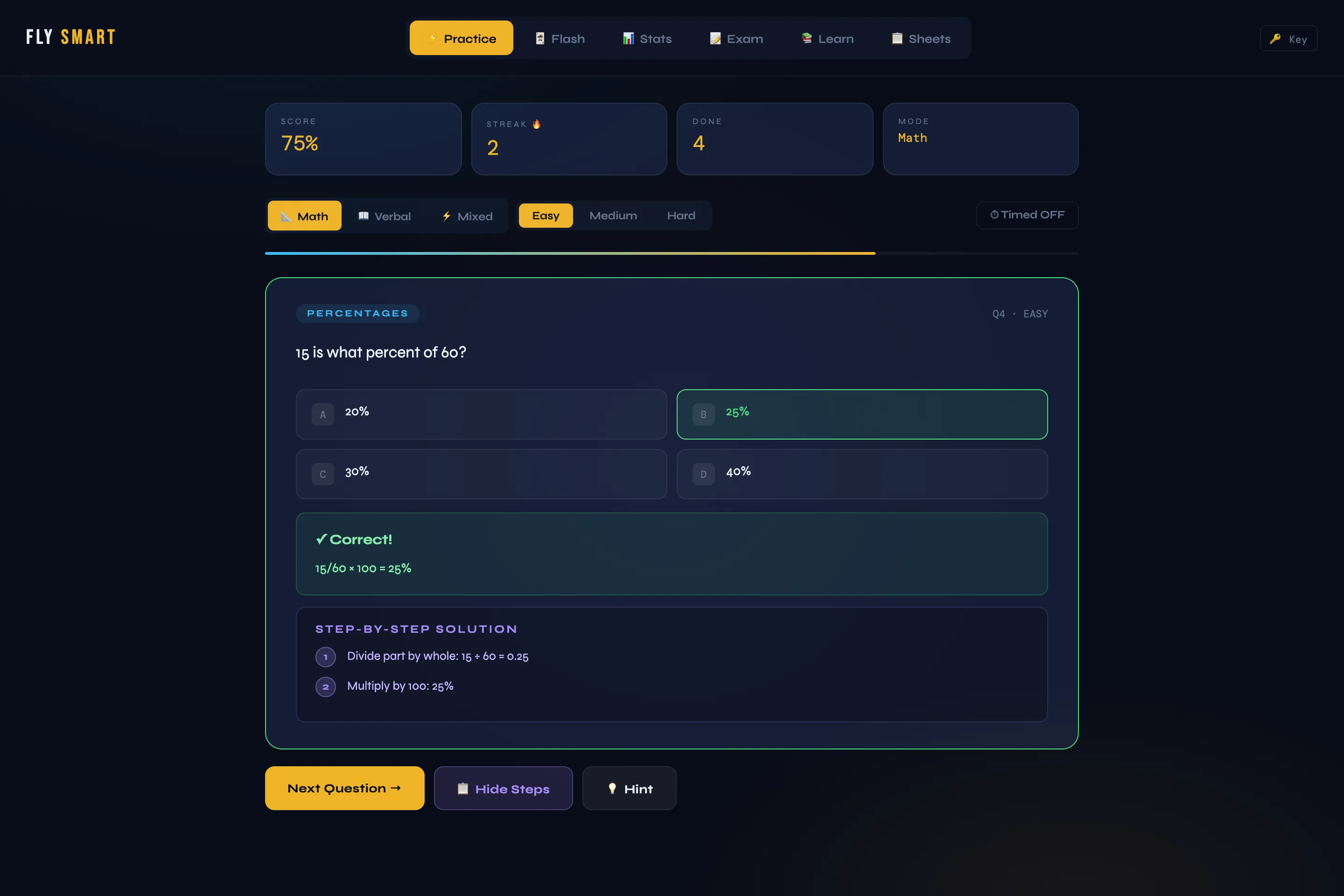
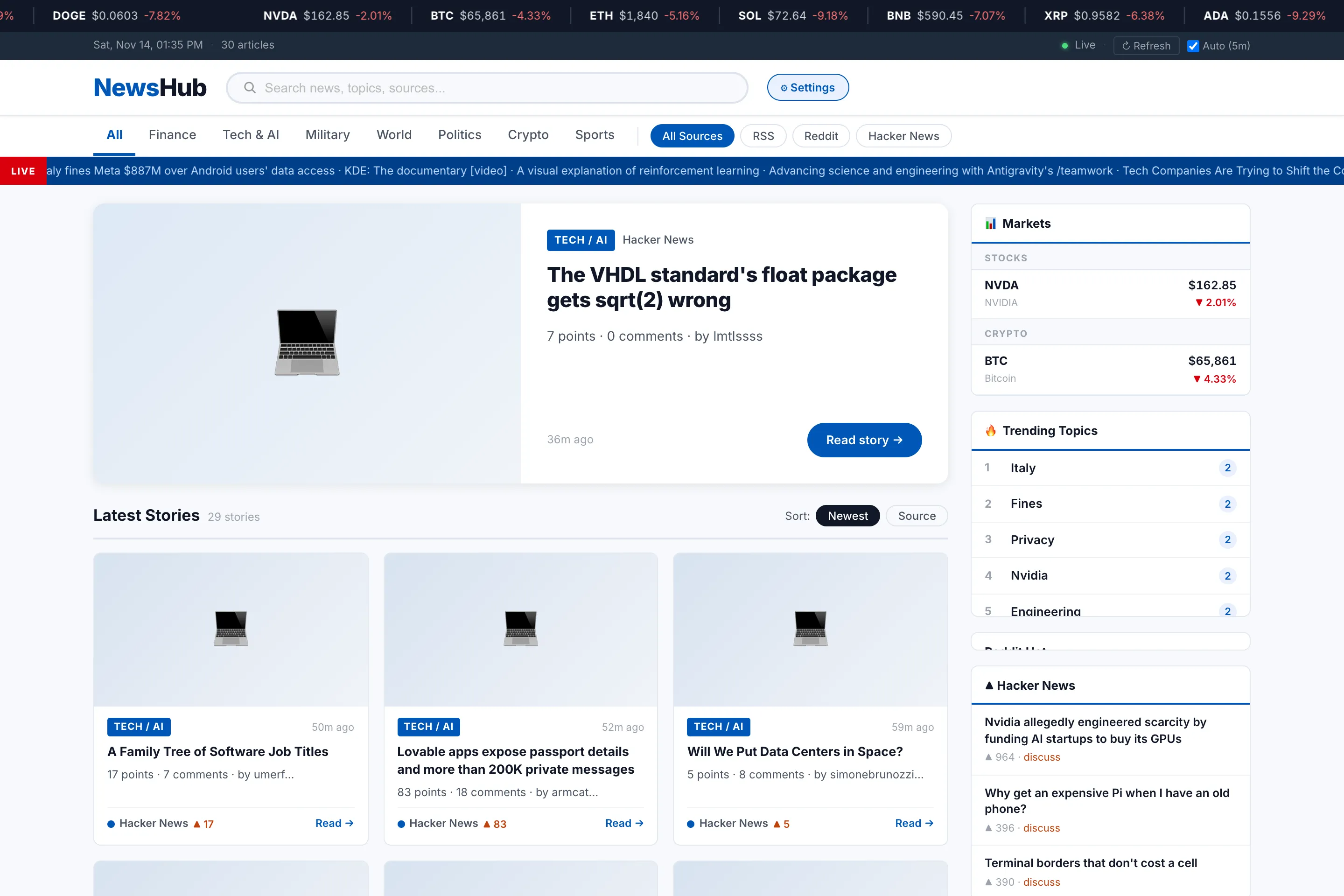
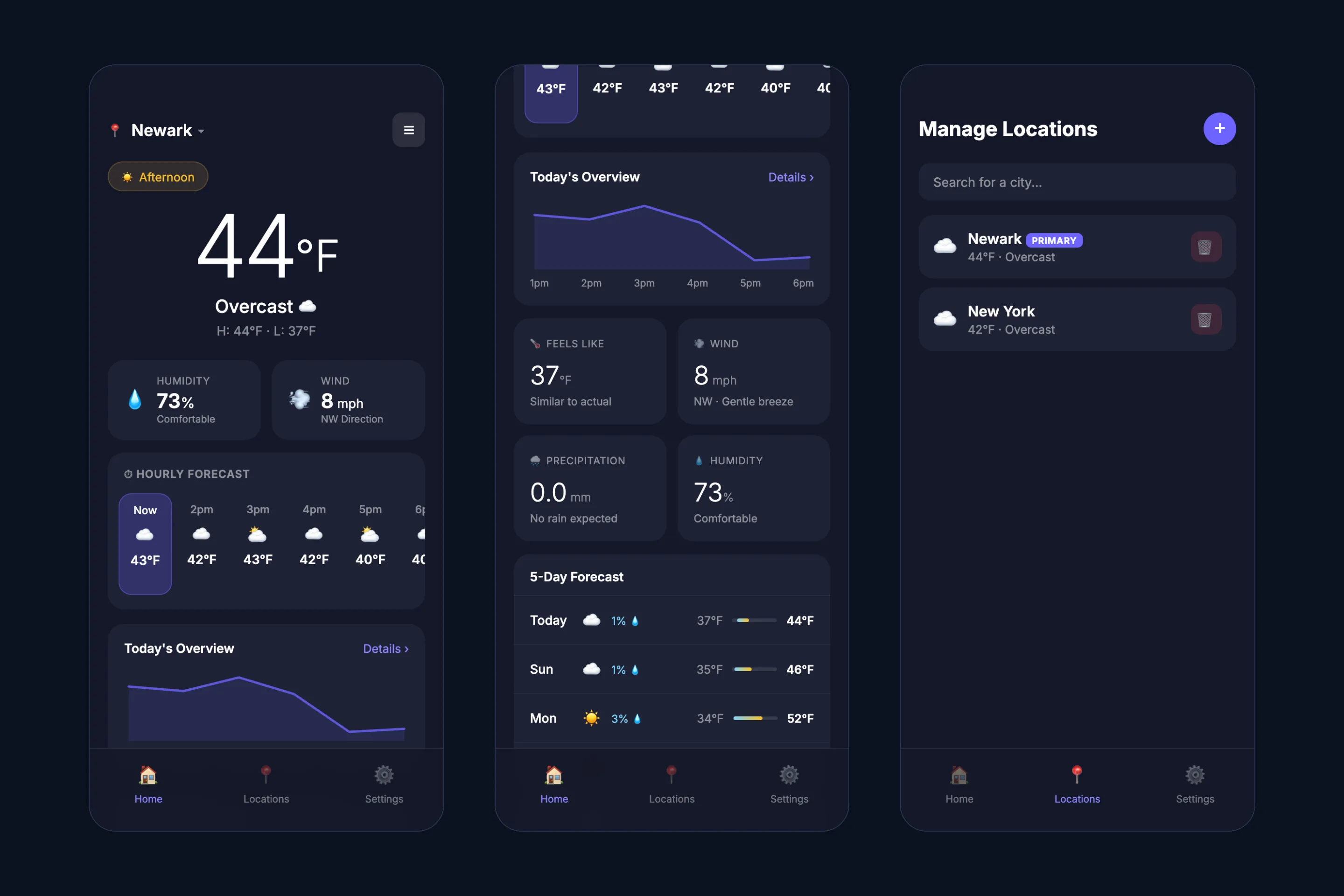
Four web applications

Each is live, with its source public and a write-up that covers how it works and where it falls short.
Education
B.S. Financial Technology, NJIT (December 2026). A.S. Cybersecurity, Union County College
Current role
Accounting Clerk, Department of the Air Force (civilian)
Seeking
Finance and data analyst roles, ideally in government, defense and aerospace
Available
January 2027
Location
New Jersey. New York or New Jersey preferred; open to relocation
Work authorization
U.S. citizen

Day to day

What I do

  • Federal accountingI review and process accounting transactions for the Department of the Air Force under federal internal controls, and trace variances to their cause.
  • Financial Technology at NJITI finish my B.S. in December 2026, and have been on the Dean’s List four semesters running.
  • Working through schoolI have worked continuously since 2021 through both degrees, including training new hires and supervising shifts.

Experience and education

In progress

What I’m learning

  • DataPython through Anaconda, in Jupyter notebooks with pandas and NumPy, and SQL with MySQL. In coursework I have analyzed financial data, built a financial model, completed a machine learning assignment and designed a database.
  • CybersecurityI have an A.S. in Cybersecurity and still count it as a field I am learning. I teach security awareness to Civil Air Patrol cadets.
  • AI and softwareI build web applications with AI coding assistance, and write up what works and what does not.

More on what I’m learning

gps_orbit.ipynbPython
# How long does a GPS satellite take to circle the Earth?import numpy as np MU = 398_600.4418   # Earth’s gravitational parameter, km³/s²a = 26_560          # orbit radius from Earth’s center, km period = 2 * np.pi * np.sqrt(a**3 / MU)print(f"{period / 3600:.2f} hours")11.97 hours
orbits.sqlMySQL
-- Which orbits hold the most active satellites?SELECT orbit_class, COUNT(*) AS satellitesFROM satellitesWHERE status = 'active'GROUP BY orbit_classORDER BY satellites DESC;
Illustrations: two small space questions written in Python and SQL, the tools I use for coursework.

What interests me

Many parts, one system

GPS, satellite communications and launch each depend on spacecraft, ground stations, software and people working together, and each is paid for through public budgets. Those are the systems I want to understand.

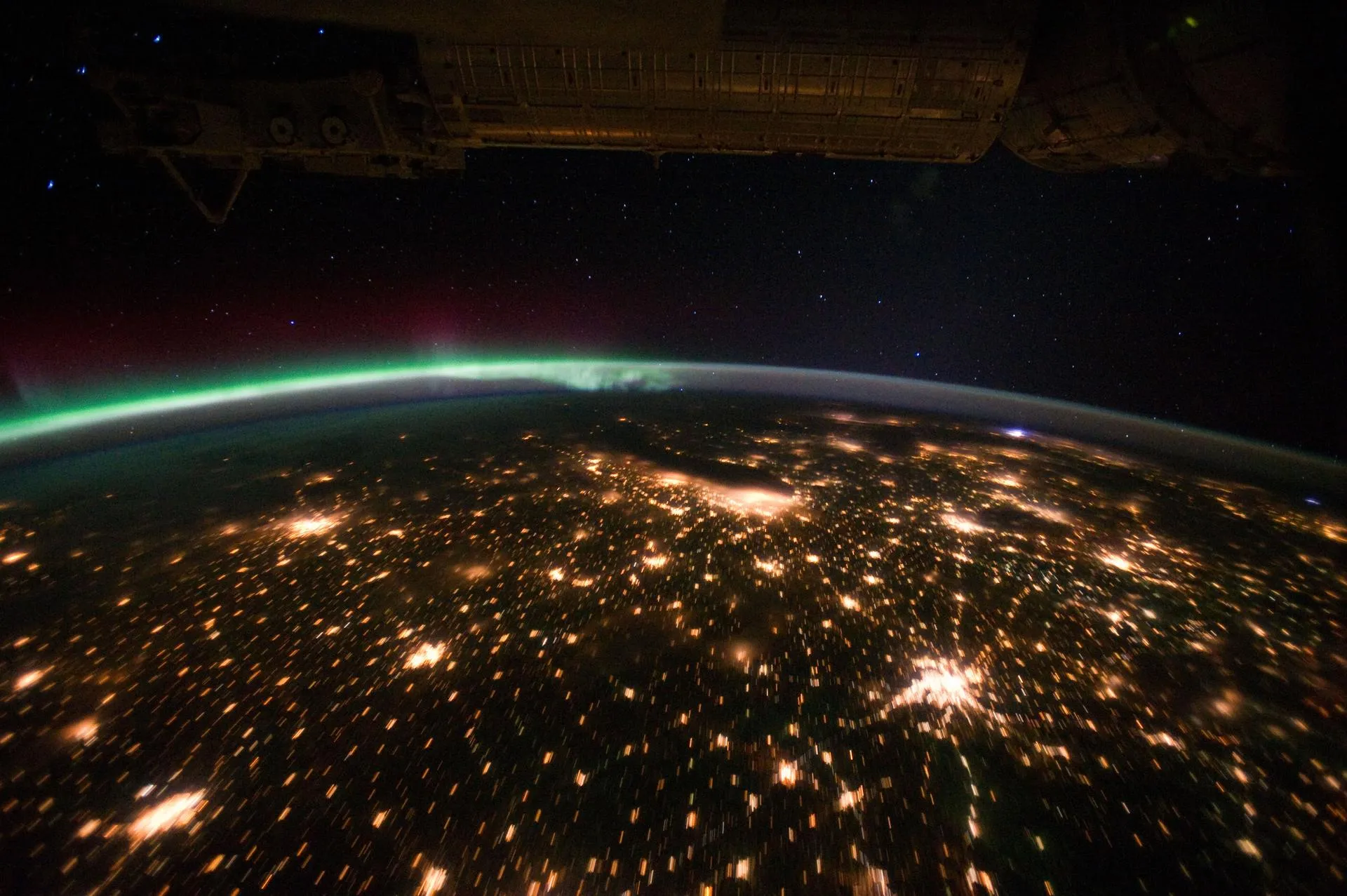
The Midwestern United States at night, from the International Space Station. Photo: NASA

Why systems engineering

GPS: one system, three segments

GPS is the clearest example of what interests me. A phone can find its position only because satellites, ground stations and receivers all do their part.

Baseline constellation
24 satellites
Orbital planes
6
Altitude
20,200 km
One orbit
11 h 58 min
Needed for a position
4 satellites

Figures from GPS.gov and the U.S. Coast Guard Navigation Center.

Drawn to scale: the orbit is about 4.2 times the Earth’s radius.

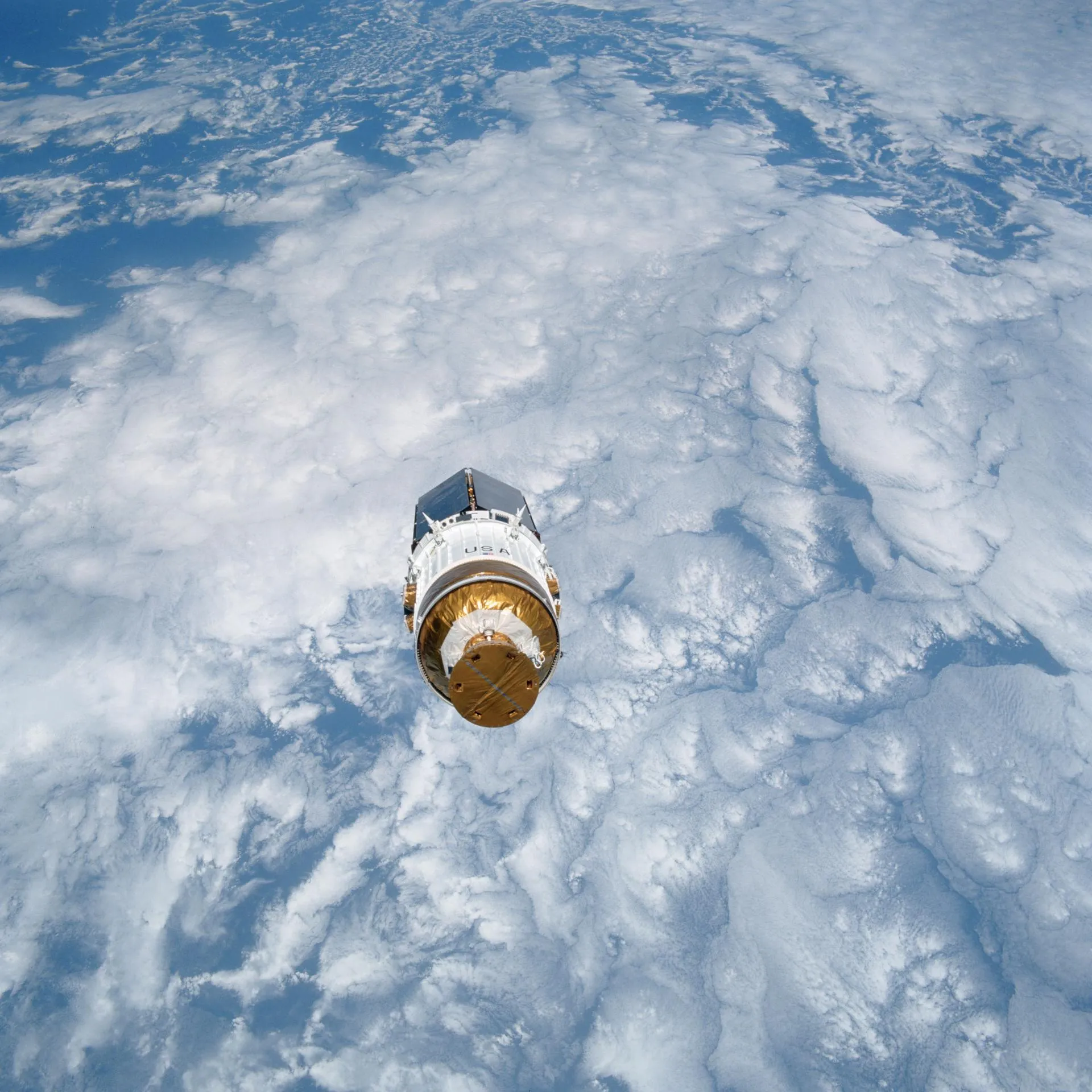
A cylindrical satellite floating above white cloud tops.

Space segment

The satellites, each broadcasting its position and the time.

Pictured: a NASA relay satellite after release from the Space Shuttle, 1991. Photo: NASA

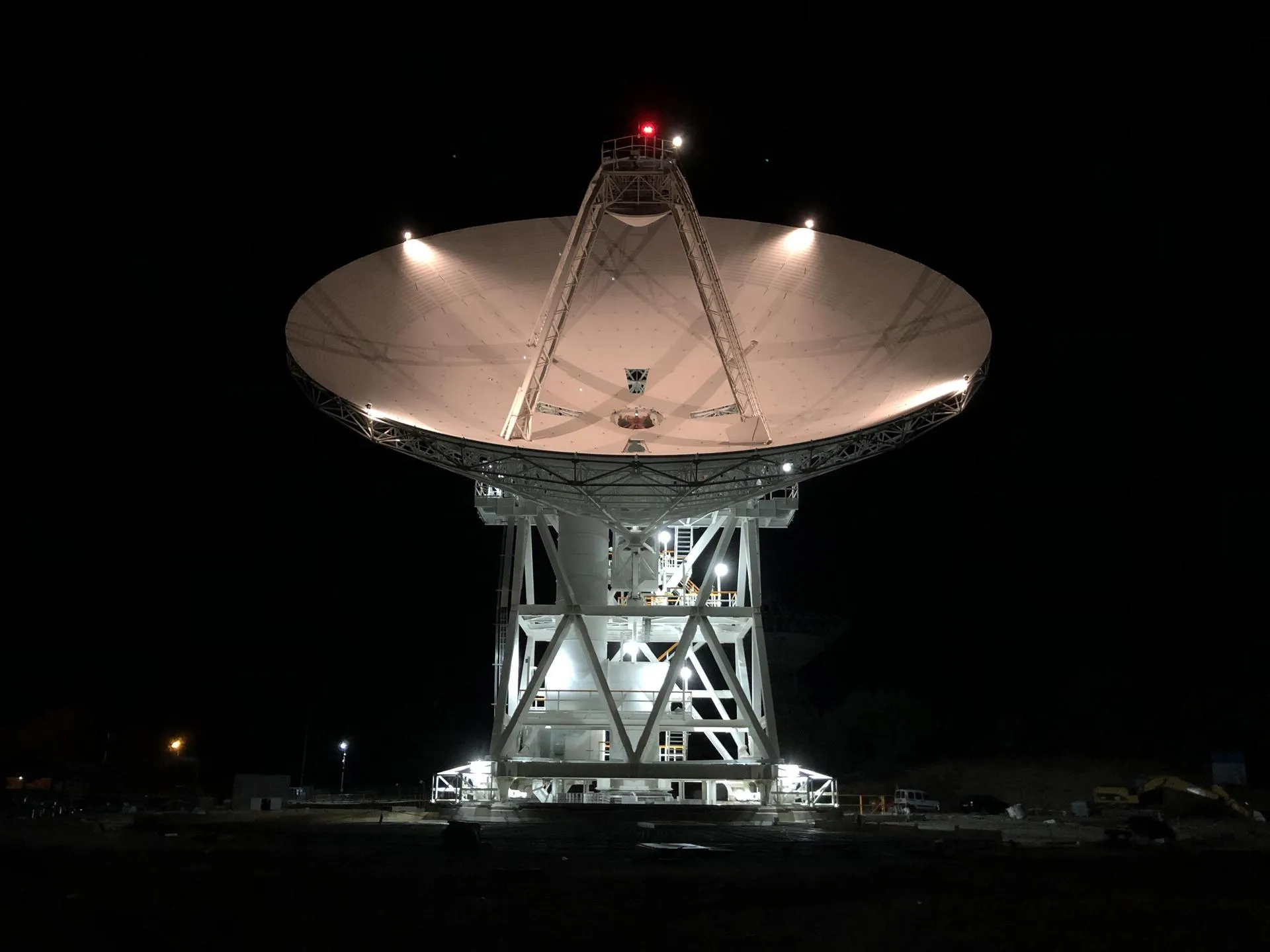
A large white dish antenna lit up at night.

Control segment

Ground stations that track the satellites and send up corrections.

Pictured: a NASA Deep Space Network antenna in Spain. Photo: NASA/JPL-Caltech

gps_orbit.ipynbPython
# How long does a GPS satellite take to circle the Earth?import numpy as np MU = 398_600.4418   # Earth’s gravitational parameter, km³/s²a = 26_560          # orbit radius from Earth’s center, km period = 2 * np.pi * np.sqrt(a**3 / MU)print(f"{period / 3600:.2f} hours")11.97 hours

User segment

Receivers, and the software that turns four signals into a position.

Pictured: an illustration in Python, working out how long one GPS orbit takes.

Web applications, live
4
Practice questions in the AFOQT trainer
117
News sources in NewsHub
81
Coins priced live in Krypto
100

Projects

Four web applications I built to practice. Pick one to read how it works.

All projects

Available January 2027

Hiring a finance or data analyst?

I am most interested in government, defense and aerospace. New York or New Jersey is my preference, and I am open to relocation.

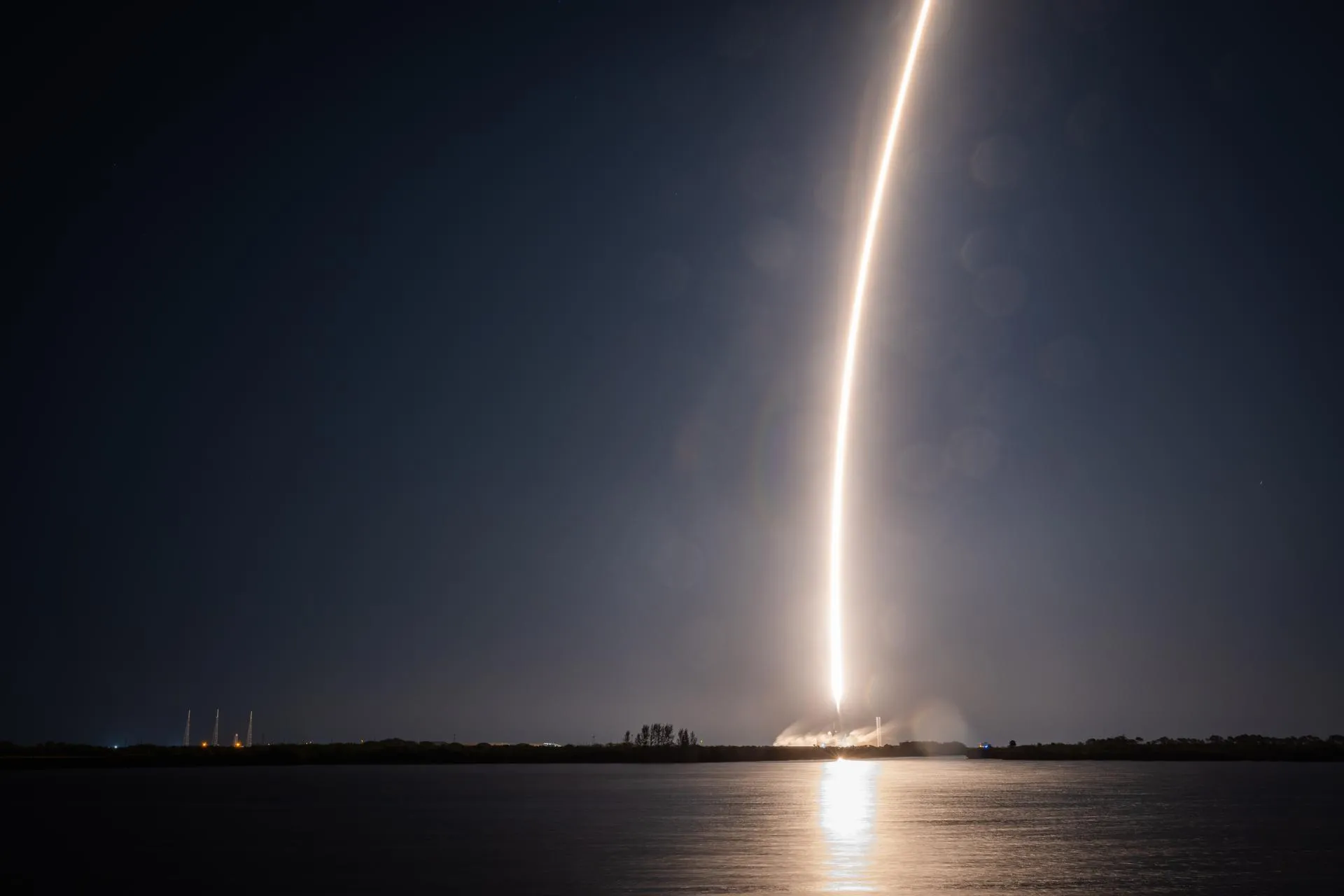
A night launch from Kennedy Space Center, January 2025. Photo: NASA/Frank Michaux